IT Infrastructure Explained: How Hardware, Networks, and Software Work Together

IT Infrastructure Explained: How Hardware, Networks, and Software Work Together
Every time you power on your laptop, stream a movie, or check your email, you’re relying on a complex web of technology working seamlessly behind the scenes. What feels like a simple action is actually supported by an intricate system of machines, connections, and programs that move data quickly and securely. But what exactly is IT infrastructure—and how do its parts fit together?
What Is IT Infrastructure?
IT infrastructure is the foundation that allows digital systems to operate. It consists of three main components:
- Hardware – the physical devices such as computers, servers, routers, and storage systems.
- Networks – the connections that move data between devices and systems.
- Software – the programs and operating systems that control how hardware and networks are used.
Together, these elements form an ecosystem where each part depends on the others. If one component fails, the entire system can be affected—from a slow Wi-Fi connection to a full-scale business outage.
Hardware – The Physical Backbone
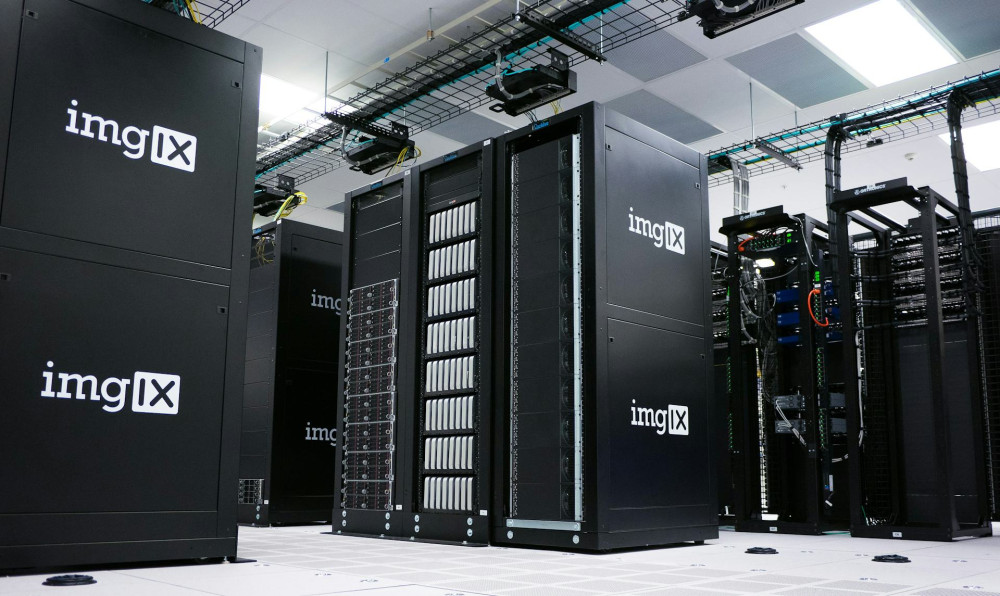
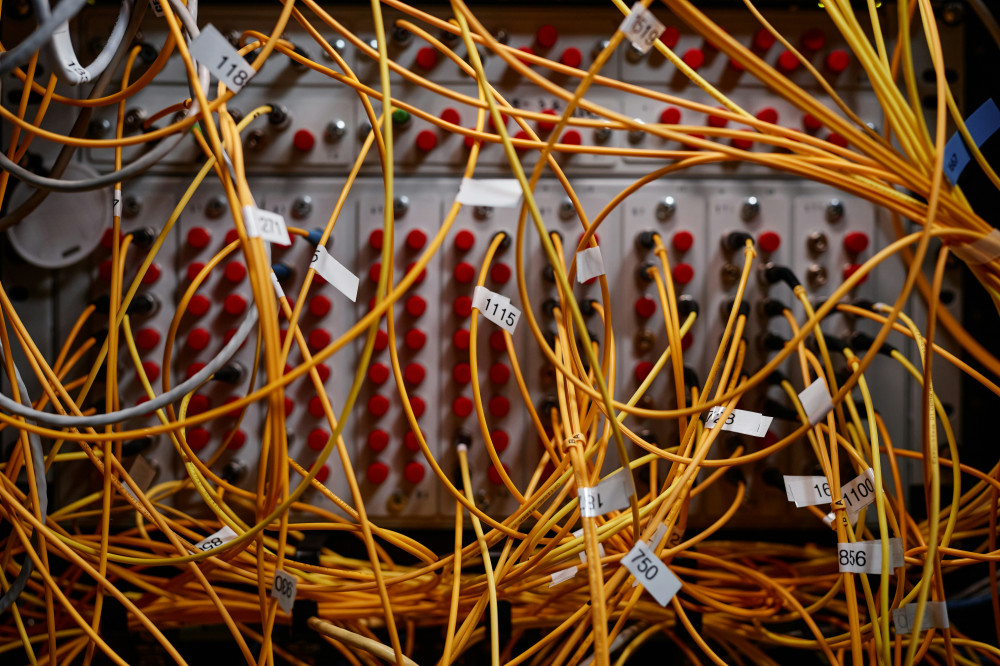
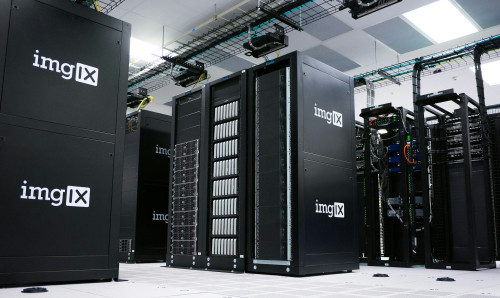
Hardware is the most tangible part of IT infrastructure. It includes everything you can touch: computers, servers, cables, routers, and data centers. In organizations, servers act as the heart of operations, processing and storing data. They can be located on-site in a server room or hosted externally in a data center.
Today, many companies are moving toward flexible models where hardware is rented rather than owned—through cloud providers like Amazon Web Services (AWS), Microsoft Azure, or Google Cloud. This approach allows businesses to scale up or down as needed without investing in expensive equipment.
Læs også:

Networks – The Connections That Tie It All Together
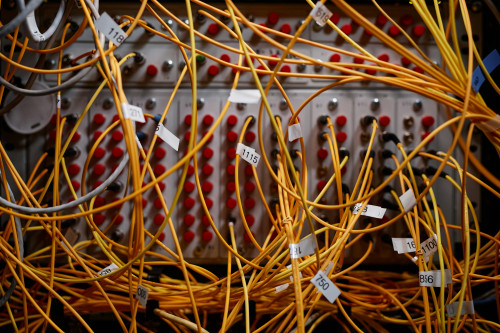
Networks make communication between hardware devices possible. They can be local (LAN) within an office or global, like the internet. Networks ensure that data travels from one point to another quickly, securely, and in the correct order.
Routers, switches, and firewalls play key roles in this process. They direct traffic, protect against unauthorized access, and maintain stable connections. As remote work and cloud services have become more common across the U.S., the demand for faster and more secure networks has grown dramatically.
Software – The Brain That Controls the System
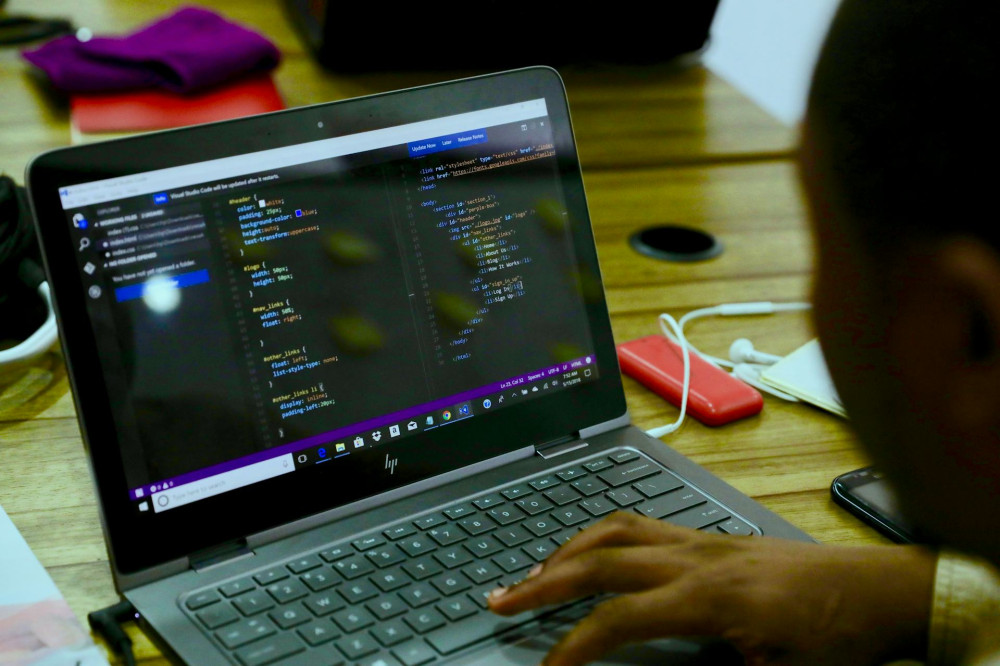
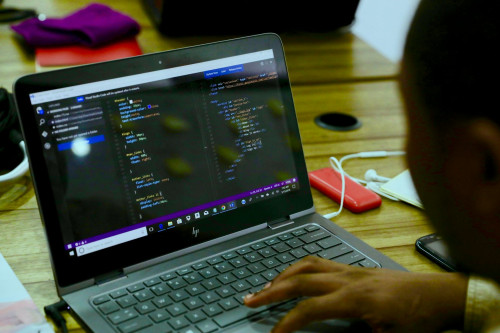
If hardware and networks form the body, software is the brain. It determines how resources are used and how users interact with the system. Software includes everything from operating systems like Windows, macOS, and Linux to applications, databases, and security tools.
Modern IT infrastructure increasingly relies on automation and virtualization. These technologies allow software to dynamically allocate resources—for example, by creating virtual servers that exist only when needed. This makes operations more efficient, flexible, and cost-effective.
How the Three Layers Work Together
To understand the power of IT infrastructure, it helps to see how these three layers interact. Take sending an email as an example:
- Software (your email app) formats the message and sends it.
- The network transports the data through routers and servers to the recipient.
- Hardware on both ends processes and stores the information.
If any of these layers fail—say, the network goes down—the entire process stops. That’s why infrastructure must be designed with redundancy, security, and monitoring in mind.
Cloud and Hybrid Solutions – The Future of Infrastructure
Many U.S. organizations are shifting from traditional on-premises servers to cloud-based solutions. The cloud offers flexibility and scalability but also introduces new challenges around security and management. As a result, many companies adopt a hybrid infrastructure, combining cloud services with local systems.
This approach blends the best of both worlds: the scalability of the cloud and the control of on-site systems. However, it requires careful planning to ensure that data flows smoothly and securely between environments.
Security and Maintenance – The Invisible Work Behind the Scenes
A strong IT infrastructure isn’t just about technology—it’s also about processes. Regular updates, backups, access controls, and monitoring are essential to prevent downtime and protect against cyberattacks. Many organizations now follow “zero trust” principles, where no device or user is automatically trusted and every access request is verified.
Maintenance and security may be invisible to most users, but they are critical to keeping systems stable and resilient—both day to day and during crises.
IT Infrastructure as the Foundation of Digital Growth
Whether it’s a small business, a government agency, or a global enterprise, IT infrastructure is the backbone of all digital activity. It enables communication, automation, and innovation. When hardware, networks, and software work together, technology becomes more than just a tool—it becomes a driving force for progress.
Læs også: