Livestreaming as a Creative Expression – More Than Just Gaming

Livestreaming as a Creative Expression – More Than Just Gaming
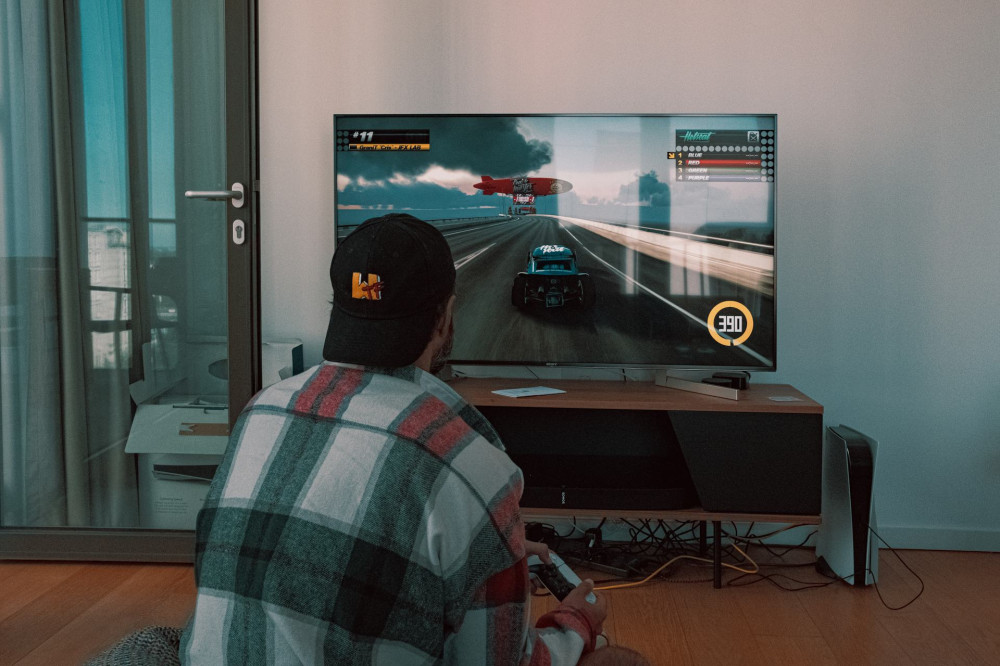
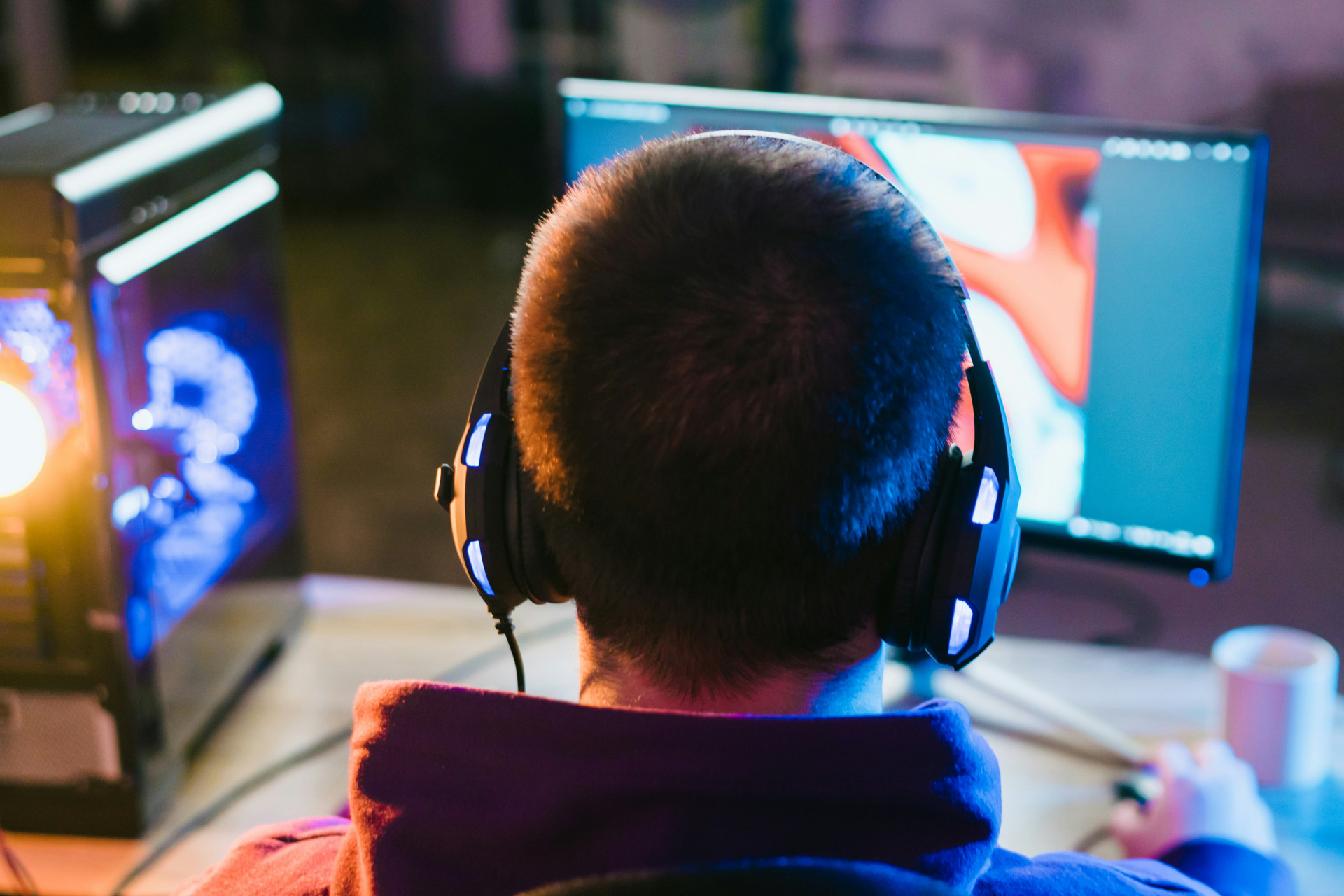
Not long ago, livestreaming was almost synonymous with video games. Platforms like Twitch and YouTube were dominated by gamers sharing their playthroughs, strategies, and reactions with an audience. Today, the picture is far more diverse. Livestreaming has evolved into a creative medium in its own right—a space where musicians, artists, educators, and everyday people can create, share, and connect in real time. It’s no longer just about playing games—it’s about creating experiences together with an audience.
From Niche Hobby to Cultural Phenomenon
When livestreaming platforms first appeared in the early 2010s, they were primarily used by gamers. It was a way to showcase skills, comment on gameplay, and build communities around shared interests. But as technology improved and internet speeds increased, new types of content began to emerge.
Today, you can find everything from live painting and cooking to music production, book readings, and discussions about mental health. Livestreaming has become a platform for creativity, blurring the line between creator and viewer.
The Power of Direct Connection and Authenticity
One of the most unique aspects of livestreaming is the immediate connection between the streamer and the audience. Unlike edited videos or polished productions, everything happens in the moment. Viewers can ask questions, make suggestions, or simply be part of the atmosphere. This creates a sense of presence and authenticity that many people crave in a digital world often dominated by filters and perfection.
For many streamers, that authenticity is the driving force. They can share both successes and mistakes, and the audience gets to witness the entire process—not just the final product. Livestreaming becomes a form of digital performance art, where spontaneity and interaction are central elements.
Creativity in New Formats
Livestreaming has opened the door to a wide range of creative formats. Musicians can compose and rehearse live while viewers offer feedback. Artists can paint or draw while explaining their creative process. Some use the format to experiment with improvisation, while others create interactive stories where the audience helps shape the narrative.
Even education has found a home in livestreaming. Teachers, researchers, and experts use these platforms to share knowledge in a more informal and engaging way. Learning becomes a shared experience rather than a one-way communication.
Communities and Identity
For viewers, livestreaming is often about more than just the content—it’s about belonging. The chat during a stream can feel like a digital gathering place where people meet, talk, and share interests. Many form friendships across states and countries, and some streamers become the focal point of entire online communities.
Livestreaming also offers a space for self-expression. Some use it for activism, others to explore creativity or discuss topics that rarely get attention in mainstream media. This makes the format both personal and socially relevant.
Challenges and Responsibilities
With great freedom comes responsibility. Streamers must navigate issues like copyright, ethics, and privacy. It can also be demanding to stay “on” for hours and constantly engage with an audience. Many feel pressure to produce new content and maintain viewer interest, which can lead to stress and burnout.
Platforms continue to develop tools and policies to support both creators and viewers—but as with any new medium, finding the right balance between freedom, safety, and quality takes time.
Læs også:

A New Kind of Creative Stage
Livestreaming is now a vital part of digital culture, alongside podcasts, videos, and social media. It’s a stage where anyone can participate—whether you’re playing music, painting, teaching, or simply sharing your daily life. It’s no longer just about showing something; it’s about creating something together.
Looking at its evolution, it’s clear that livestreaming isn’t just a technological trend—it’s a new language of creativity and community. It’s where today’s digital culture unfolds—in real time, with authenticity, and with room for everyone.
Læs også: