Small Friend Groups vs. Large Communities: Two Ways to Experience the Gaming Community


Small Friend Groups vs. Large Communities: Two Ways to Experience the Gaming Community
Gaming today is far more than just a hobby—it’s a social space where friendships form and communities thrive. But the way players experience that space can differ greatly. Some prefer small, tight-knit friend groups where everyone knows each other well and plays together regularly. Others are drawn to large online communities, where hundreds or even thousands of players connect through shared passion. Both approaches have their strengths—and their challenges.
The Small Group – Trust, Humor, and Shared Rhythm
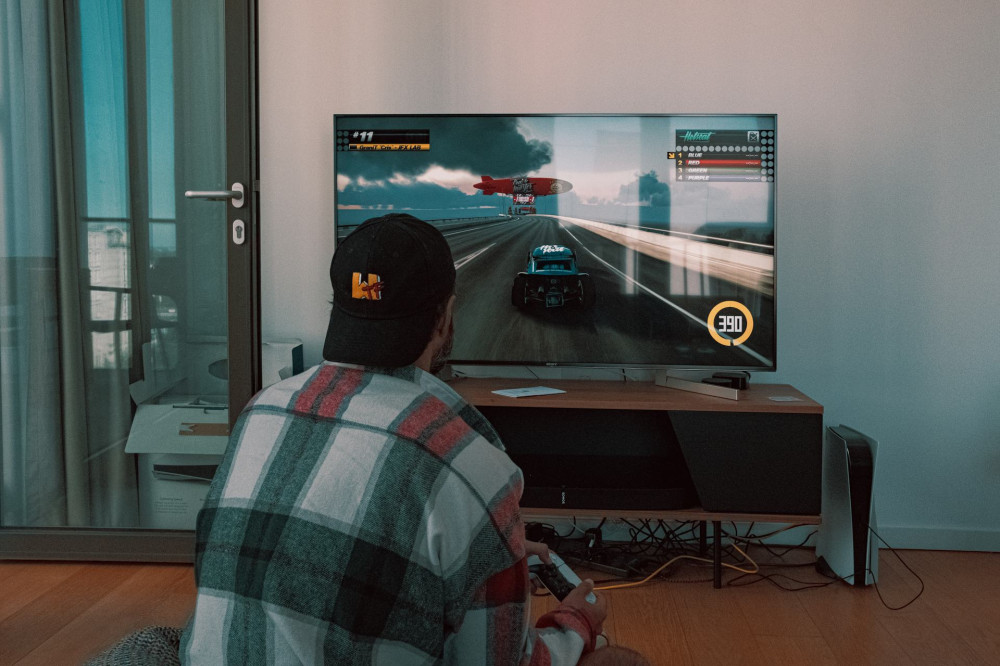
For many American gamers, the journey began with a small circle of friends. Maybe it was late-night console sessions in high school, or perhaps it’s now a regular Discord group that meets a few evenings a week.
In small groups, the focus is on closeness and trust. You know each other’s playstyles, sense of humor, and quirks. There’s room for inside jokes, and conversations often go beyond the game—touching on school, work, or everyday life.
That familiarity makes teamwork smoother and more rewarding. In team-based games like Valorant, League of Legends, or Overwatch 2, knowing your teammates’ strengths and weaknesses can make all the difference. It also creates a sense of belonging—you’re not just a player, but part of a small team where everyone matters.
The downside is that small groups can become insular. It can be hard for new players to join, and if one member loses interest, the group dynamic can shift quickly.
Læs også:


The Large Community – Diversity and New Opportunities
On the other end of the spectrum are the large gaming communities—online servers, esports organizations, fan groups, and conventions where players from across the country (and the world) come together. There’s always someone to play with, and you can connect with people of all ages, backgrounds, and skill levels.
Large communities offer endless opportunities to learn, compete, and be inspired. Many players find that joining a big community broadens their horizons—socially, culturally, and even creatively. Events like TwitchCon or PAX, for example, bring together thousands of gamers who share ideas, celebrate their favorite titles, and form new friendships.
However, it can also be easy to feel lost in the crowd. In a large community, relationships can be more surface-level, and it takes initiative to build lasting connections. Some players thrive in that open, fast-paced environment, while others find it overwhelming or impersonal.
Different Needs, Different Communities
Choosing between small friend groups and large communities often comes down to personality and personal needs. Some players value stability, routine, and close relationships. Others crave variety, energy, and the chance to meet new people.
Of course, it doesn’t have to be one or the other. Many gamers balance both worlds—they have a regular group of friends they play with, but also participate in larger communities when they want to explore new games or meet others who share their interests.
Gaming as a Social Mirror
In many ways, gaming communities reflect the same social dynamics we see in everyday life. Some people prefer the comfort of a small circle of friends, while others are energized by the diversity and excitement of larger groups.
No matter the size, the social side of gaming is one of the biggest reasons it continues to grow in popularity. It’s not just about what happens on the screen—it’s about the connections, laughter, and shared experiences that happen around it. Ultimately, the best gaming community is the one that feels like home to you.
Læs også: