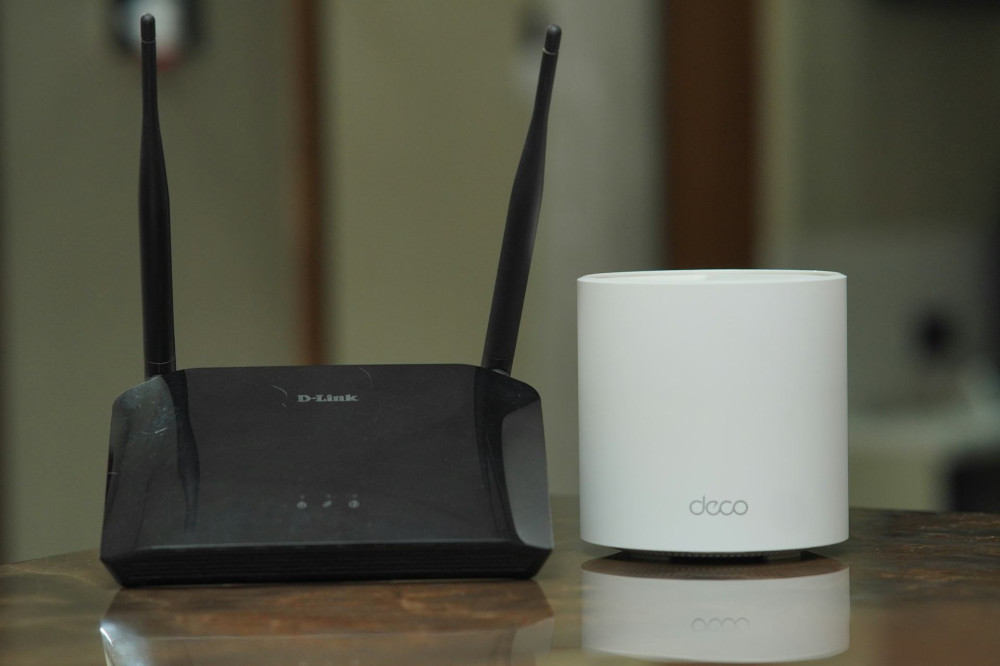
The Internet of Things – When Technology Adapts to You

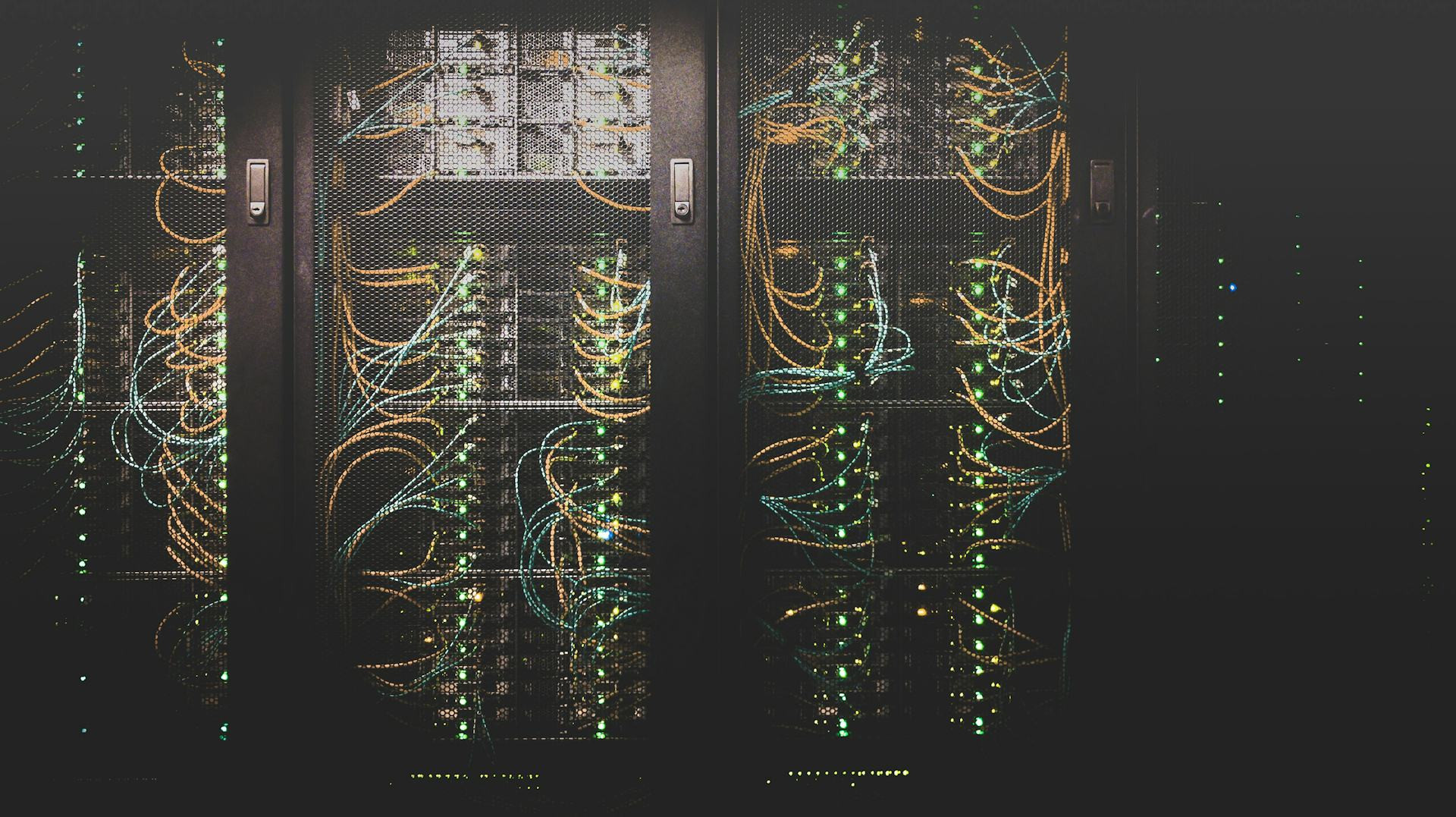
The Internet of Things – When Technology Adapts to You
Imagine your coffee maker starting the moment you get out of bed, your lights dimming automatically when you sit down to watch a movie, or your car reminding you it’s time for an oil change. It might sound like science fiction, but it’s already part of everyday life—thanks to the Internet of Things (IoT). This technology connects physical objects to the internet, allowing them to communicate with each other—and with you.
What Is the Internet of Things?
The Internet of Things covers everything from smart thermostats and watches to agricultural sensors and intelligent city systems. What they all share is the ability to collect data, share information, and respond automatically to changes in their environment.
A simple example is a smart thermostat that learns your daily routine. It knows when you’re usually home and adjusts the temperature accordingly. The result? You save both energy and money—without lifting a finger.
When the Home Becomes Smart
For most Americans, the first encounter with IoT happens at home. Technology now makes it possible to control lighting, heating, security, and entertainment through your phone or even your voice.
- Smart lighting adjusts to the time of day or your mood.
- Robot vacuums map your home and clean while you’re at work.
- Smart locks and cameras alert you if someone approaches your door.
- Connected refrigerators track what you’re running low on and suggest grocery lists.
It’s not just about convenience—it’s about efficiency and peace of mind. A smart home can save energy, enhance security, and give you more time for what really matters.
IoT in Everyday Life – Beyond Gadgets
While many associate IoT with cool gadgets, its impact reaches far beyond the home. In healthcare, wearable sensors monitor patients’ vital signs in real time, helping doctors provide better care. In agriculture, IoT devices measure soil moisture and temperature, ensuring crops get exactly the water they need. And in cities, smart traffic systems help reduce congestion and pollution.
In other words, IoT isn’t just a tech trend—it’s an infrastructure that’s reshaping how we live, work, and move through the world.
When Technology Learns About You
One of the most fascinating—and challenging—aspects of IoT is personalization. By analyzing data about your habits, systems can anticipate your needs. Your car might suggest the fastest route based on your calendar, and your smartwatch can remind you to stand up if you’ve been sitting too long.
This adaptability makes life easier, but it also raises important questions about privacy and data security. Who owns the data being collected? How is it protected from misuse? These are issues that consumers, companies, and lawmakers must take seriously.
Læs også:


The Connected Future
The evolution of IoT is far from over. With 5G networks, artificial intelligence, and ever-cheaper sensors, the number of connected devices is expected to skyrocket in the coming years. Analysts predict that by 2030, there could be more than 25 billion IoT devices worldwide.
That means technology will increasingly adapt to us—not the other way around. We’re moving toward a world where the line between digital and physical blurs, and our surroundings become more responsive, intuitive, and personal.
A Technology That Demands Thoughtfulness
The Internet of Things offers enormous potential—but also responsibility. To make the most of it, we need to think carefully about how it’s used. It’s about finding the right balance between convenience and control, between innovation and ethics.
When technology adapts to you, you should also set expectations for it—demanding transparency, security, and respect for your privacy. Only then can the Internet of Things truly become a helpful companion in daily life, rather than a threat to it.
Læs også: