Designing the future of hybrid work: essential av solutions for meeting rooms

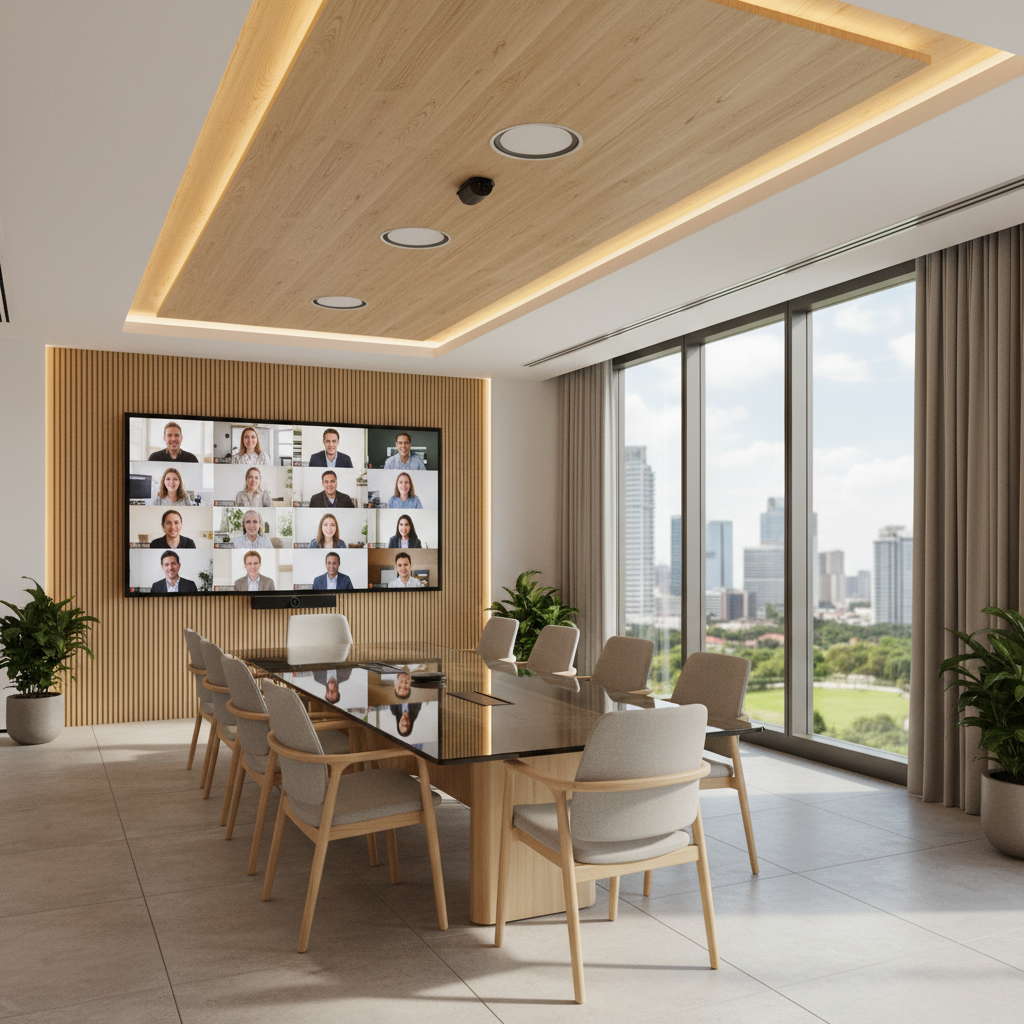
The modern workplace has undergone a permanent transformation, shifting toward a hybrid model that blends in-office collaboration with remote flexibility. As organizations navigate this transition, the primary challenge remains ensuring that physical and virtual participants share an equitable experience. Implementing high-quality hybrid meeting room AV solutions is no longer an optional upgrade but a fundamental requirement for maintaining productivity and team cohesion. By focusing on professional-grade audio, high-definition video, and intuitive control systems, businesses can bridge the communication gap and ensure that every team member feels present, regardless of their location.

Essential av solutions for meeting rooms to boost collaboration

Creating a truly immersive environment requires more than just a standard camera and a basic microphone. Modern workspaces must integrate advanced technology that suppresses background noise, such as HVAC hums or paper shuffling, while capturing clear audio from any position in the room. Strategic deployment of beamforming ceiling microphones and smart cameras with auto-framing capabilities ensures that the focus remains on the active speaker, eliminating the disconnected feeling often associated with traditional video conferencing. When organizations invest in robust AV solutions for meeting rooms, they effectively remove technical friction, allowing employees to focus on brainstorming and decision-making rather than troubleshooting equipment failures.

As we look toward 2025 and beyond, the integration of artificial intelligence and analytics will further refine how these spaces function. AI-powered systems can now provide valuable insights into room usage patterns, allowing facility managers to optimize space allocation and predict technical needs before they become bottlenecks. Furthermore, the push for user-centric design means that modern systems prioritize plug-and-play compatibility, supporting diverse platforms like Microsoft Teams and Zoom without requiring complex manual setups. This adaptability is vital for the office as a hub model, where meeting spaces must quickly transition between solo work, small group collaboration, and large-scale presentations.

Key components of a future-proof hybrid meeting environment include the following technologies:

Ultimately, the success of a hybrid strategy depends on the quality of the underlying infrastructure. By prioritizing human-centric design, businesses can foster a culture of inclusivity where remote and on-site staff feel equally empowered to contribute. As technology continues to evolve, the focus will remain on seamless, intelligent, and flexible environments that support the diverse needs of the modern workforce. Investing in professional audiovisual systems ensures that your office remains a vibrant hub for innovation, capable of evolving alongside the changing demands of global collaboration.

team@ideaunionnetwork.com