


In the modern industrial landscape, the need for efficient and reliable control systems is paramount. Programmable Logic Controllers (PLCs) have emerged as vital components across various sectors due to their flexibility and robustness. As industries evolve, it’s crucial to explore the range of PLC options and capabilities to ensure optimal performance and adaptability.
What Are PLCs?
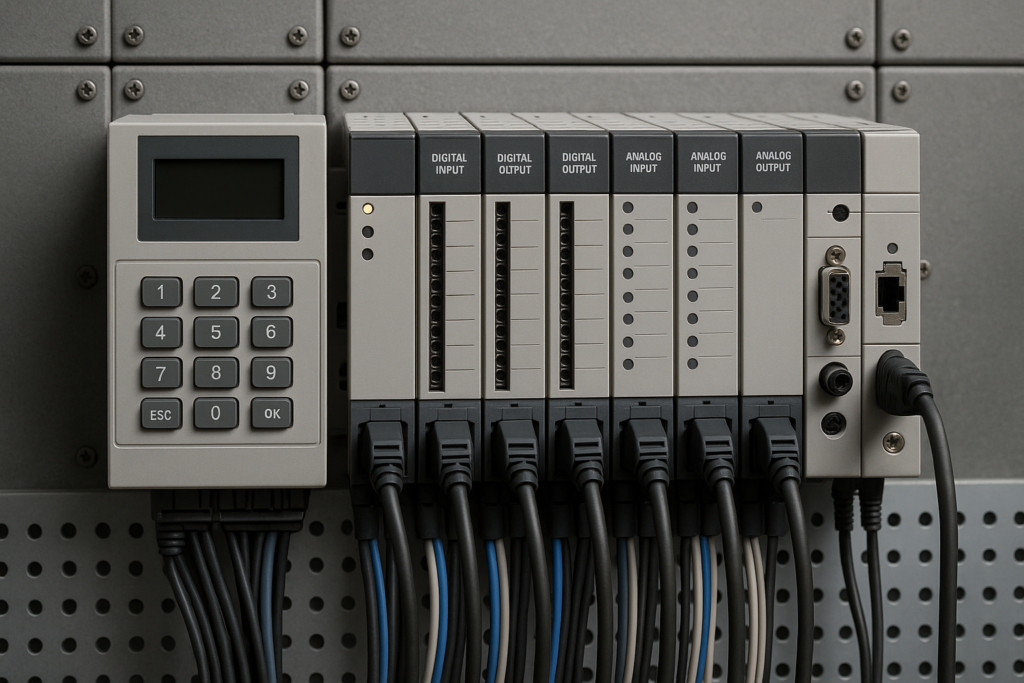
PLCs are specialized computers used for automation of industrial processes. They are designed to withstand harsh environments and perform real-time operations, making them ideal for manufacturing plants, assembly lines, and other industrial applications. A PLC system typically consists of a processor, input/output modules, and a power supply. The processor executes control instructions based on input signals, which can be anything from sensors to switches.
Benefits of Using PLCs
- Reliability: PLCs are built to operate under extreme conditions, providing reliable performance even in challenging environments.
- Flexibility: With the capability to be reprogrammed, PLCs can easily adapt to new processes or changes in production lines.
- Scalability: PLC systems can be expanded with additional modules to accommodate the growing needs of an industrial setup.
- Cost Efficiency: By automating processes, PLCs help in reducing labor costs and minimizing errors, leading to improved productivity.
As industries continue to innovate, the demand for advanced control systems grows. To meet these demands, it is essential to explore the range of PLC options and capabilities available in the market. This exploration not only helps in finding the right fit for specific industrial needs but also ensures that businesses remain competitive and efficient.
Choosing the Right PLC for Your Needs
Selecting the appropriate PLC system involves considering several factors such as the complexity of the control task, the environment in which the PLC will operate, and the level of integration required with other systems. Here are some key considerations:
- Processor Speed and Memory: For complex operations, a PLC with a fast processor and ample memory is crucial.
- Input/Output Requirements: Determine the number of input and output points needed for your application.
- Communication Protocols: Ensure the PLC supports necessary communication protocols for seamless integration with other devices.
- Environmental Conditions: Consider PLCs with appropriate protection ratings for the environment they will be used in.
By carefully evaluating these factors, businesses can select a PLC system that not only meets their current requirements but also offers room for future upgrades and expansions.
The Future of PLCs
As technology continues to advance, the capabilities of PLC systems are expected to grow exponentially. The integration of IoT (Internet of Things) and AI (Artificial Intelligence) is paving the way for smarter and more interconnected industrial processes. Future PLCs will likely offer enhanced data analysis, predictive maintenance, and improved decision-making capabilities, further solidifying their role in industrial automation.
In conclusion, understanding and leveraging the full potential of PLCs is essential for any industry aiming to enhance automation and efficiency. By staying informed and exploring the diverse options available, businesses can ensure they are equipped with the best tools to thrive in an ever-evolving industrial landscape.