Small Improvements, Big Progress: Innovation in Existing Electronics

How small upgrades and smart refinements are shaping the future of everyday technology
Equipment
Equipment
5 min
Innovation isn’t always about brand-new inventions. This article explores how incremental improvements in existing electronics—from smarter software updates to more sustainable designs—are driving real progress in performance, efficiency, and user experience.
Abigail Turner
Abigail
Turner

Small Improvements, Big Progress: Innovation in Existing Electronics

How small upgrades and smart refinements are shaping the future of everyday technology
Equipment
Equipment
5 min
Innovation isn’t always about brand-new inventions. This article explores how incremental improvements in existing electronics—from smarter software updates to more sustainable designs—are driving real progress in performance, efficiency, and user experience.
Abigail Turner
Abigail
Turner

When we think of technological innovation, we often imagine groundbreaking inventions—new products that transform our lives overnight. But in reality, much of today’s progress happens quietly, through small, steady improvements to the devices we already use. From more energy-efficient appliances to software updates that extend the lifespan of our gadgets, innovation today is often about refinement rather than reinvention.

Small Steps, Big Impact

A modern refrigerator in the U.S. uses roughly half the energy of a similar model from the 1990s. That’s not because the concept of refrigeration has been reinvented, but because manufacturers have continuously improved compressors, insulation, and control systems. The same is true for washing machines, televisions, and even light bulbs—incremental advances in design and electronics can lead to major energy savings and longer product life.

These improvements are the result of years of research in materials science, circuitry, and software engineering. A more efficient semiconductor, a smarter sensor, or a refined algorithm can make a significant difference, even if the change isn’t visible to the user.

Software as a Driver of Innovation

Hardware isn’t the only area evolving. Software now plays a crucial role in improving existing electronics. Smartphones, for example, receive updates that enhance battery life, add new features, and strengthen security—without requiring users to buy a new device.

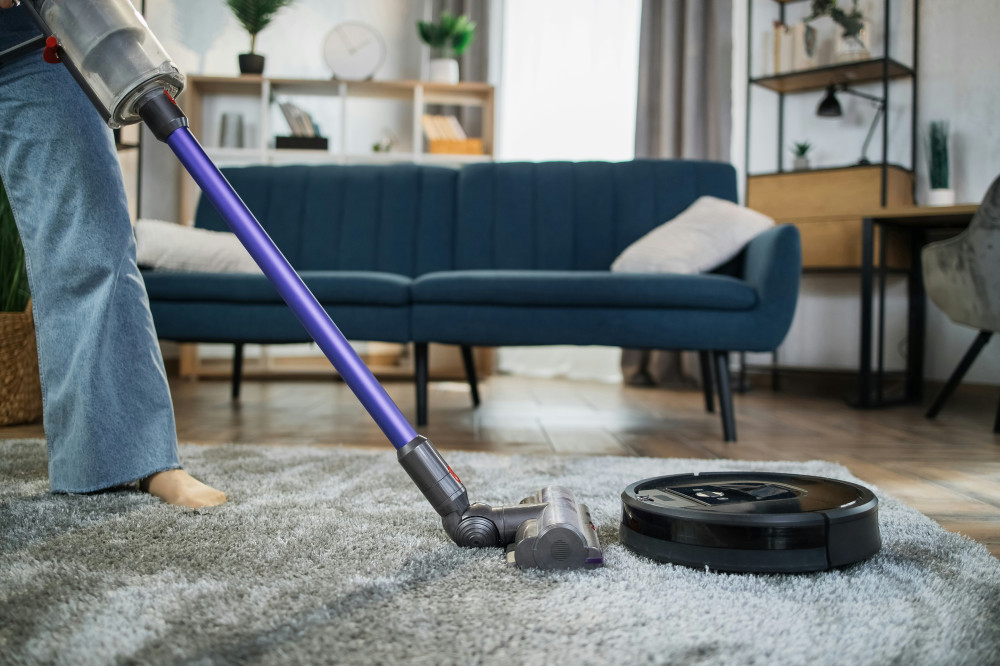
This trend extends to home electronics as well. Smart thermostats, robotic vacuums, and electric vehicles regularly receive software updates that optimize performance and introduce new capabilities. These updates allow products to stay relevant and useful for years, reducing the need for constant replacement.

Sustainability Through Upgrading

One of the biggest challenges in the electronics industry is waste and resource consumption. Here, innovation in existing products can make a real difference. By designing devices that can be upgraded or repaired, manufacturers can extend product lifespans and reduce the demand for new materials.

Some companies are embracing modular design, allowing components like batteries, cameras, or screens to be replaced individually. This approach makes maintenance easier and gives consumers the ability to keep up with technological advances without discarding entire devices. It’s a step toward a more sustainable, circular economy—one where progress doesn’t come at the planet’s expense.

When Users Become Innovators

Another growing trend is user-driven innovation. Through feedback, open-source projects, and online communities, consumers and enthusiasts help identify bugs, suggest improvements, and even develop new features.

This is especially visible in the computing world, where hobbyists enhance existing hardware through custom firmware or alternative operating systems. Such collaboration between manufacturers and users creates a dynamic ecosystem where innovation emerges not only from corporate labs but also from everyday experience.

The Future: Smarter, Not Necessarily New

The future of technology may depend less on creating entirely new products and more on making existing ones better. We’re likely to see more focus on optimization, integration, and reuse. Electronics will become more modular, software more adaptable, and energy consumption lower.

Innovation, then, isn’t always about starting from scratch—it’s about thinking smarter. The small improvements that make our lives easier, our products more durable, and our world more sustainable may turn out to be the most meaningful progress of all.

Give Your Electronics New Life: Choose Reuse and Repair Over Replacement
Extend the life of your gadgets and reduce e-waste with simple, sustainable choices
Equipment
Equipment
Sustainability
Electronics
Repair
Environment
Green Living
6 min
Discover how repairing, reusing, and upgrading your electronics can save money and protect the planet. Learn practical ways to give your devices a second life and make a positive impact through mindful consumption.
Michael Brooks
Michael
Brooks
Lightweight Software – An Overlooked Advantage for Older Devices
Discover how lightweight software can make your old devices run faster and last longer
Equipment
Equipment
Lightweight Software
Old Devices
Performance
Sustainability
Technology
5 min
Tired of your aging laptop or smartphone slowing down? Learn how lightweight software can restore performance, extend battery life, and reduce electronic waste—all without the need for costly upgrades.
Julia Rogers
Julia
Rogers
The Laptops of the Future: Lighter, Faster, and More Energy-Efficient
Discover how cutting-edge technology is transforming laptops into smarter, lighter, and more sustainable companions for modern life
Equipment
Equipment
Laptops
Technology
Innovation
Sustainability
Future Computing
6 min
From ultra-light materials to AI-powered performance, the next generation of laptops promises to revolutionize the way we work, study, and create. Explore the innovations driving faster speeds, longer battery life, and greater energy efficiency in tomorrow’s portable computers.
Delilah Lee
Delilah
Lee
Upgrade Instead of Replace: How to Get More Out of Your Older Wearables
Give your smartwatch or fitness tracker a second life with simple upgrades and smart tweaks
Equipment
Equipment
Wearables
Smartwatch
Fitness Tracker
Tech Tips
Sustainability
2 min
You don’t always need the latest model to enjoy the newest features. Learn how to update, accessorize, and optimize your current wearable to boost performance, refresh its look, and reduce electronic waste—all while saving money.
Harper Vasquez
Harper
Vasquez
When Technology and the Environment Go Hand in Hand: The Path to Sustainable Growth
How innovation and digital solutions are shaping a greener, more sustainable future
IT
IT
Sustainability
Green Technology
Innovation
Renewable Energy
Digital Transformation
4 min
Discover how technology and environmental responsibility can work together to drive sustainable growth. From renewable energy and circular production to digitalization and AI, new innovations are paving the way for a future where progress and the planet thrive side by side.
Abigail Turner
Abigail
Turner
Keep Track of Your Data – No Expertise Required
Simple steps to protect your personal information and stay safe online
IT
IT
Data Privacy
Online Security
Digital Safety
Personal Information
Cyber Awareness
3 min
You don’t need to be a tech expert to take control of your digital life. Learn how to manage your data, strengthen your privacy, and keep your information secure with easy, everyday habits.
Michael Brooks
Michael
Brooks
Creativity Meets Artificial Intelligence: New Paths to Inspiration for Designers, Artists, and Writers
Discover how AI is transforming the creative process and inspiring a new generation of artists, writers, and designers.
IT
IT
Artificial Intelligence
Creativity
Design
Art
Writing
7 min
Artificial intelligence is no longer just a technical tool—it’s becoming a creative partner. This article explores how designers, artists, and writers are using AI to spark new ideas, enhance their work, and redefine what it means to create in the digital age.
Julia Rogers
Julia
Rogers