Give Your Electronics New Life: Choose Reuse and Repair Over Replacement


Give Your Electronics New Life: Choose Reuse and Repair Over Replacement
The average American household owns dozens of electronic devices — from smartphones and laptops to kitchen gadgets and smart speakers. Yet many of these items end up in drawers, closets, or landfills long before they stop working. In a time when natural resources are limited and manufacturing new electronics takes a heavy toll on the environment, it’s worth rethinking our habits. Repairing, reusing, and extending the life of our devices isn’t just good for the planet — it’s also good for your wallet.
E-Waste: A Growing Challenge
Electronic waste, or e-waste, is one of the fastest-growing waste streams in the world. Producing new devices requires large amounts of energy and rare materials like cobalt, lithium, and gold — often mined under environmentally damaging and unsafe conditions. When electronics are discarded, these valuable resources are lost.
In the United States, only a fraction of e-waste is properly recycled, and even then, recycling can recover only part of the materials. The most sustainable solution is to keep our devices in use for as long as possible — by repairing, upgrading, or passing them on to others.
Make Repair Your First Option
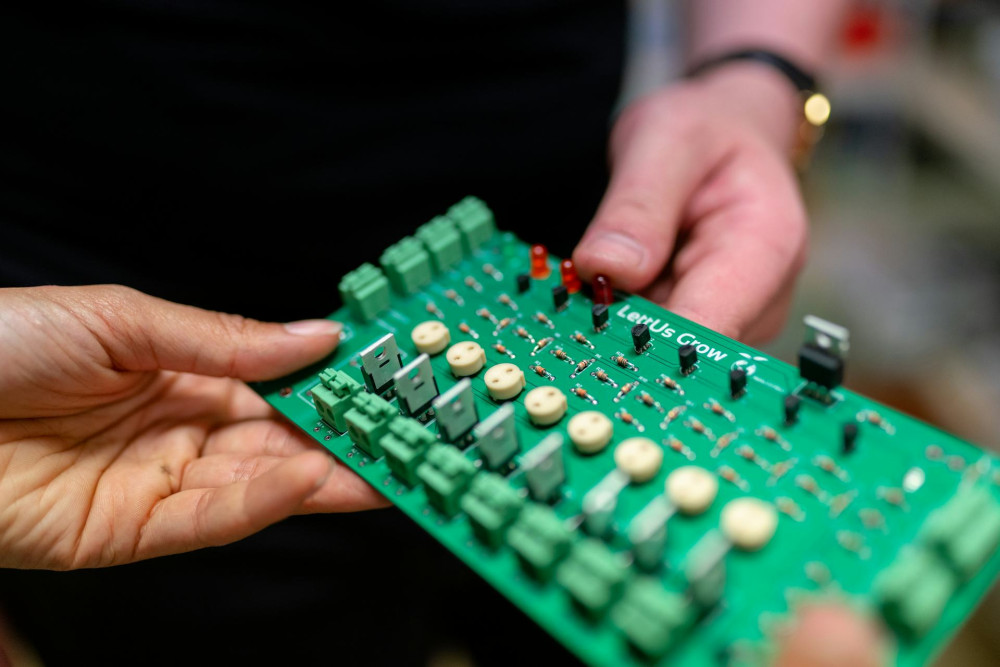
Many people assume that repairing electronics is expensive or complicated, but that’s not always the case. More manufacturers are now offering spare parts and repair guides, and a growing number of community repair events and local workshops can help you fix everything from toasters to tablets.
- Start with a simple check: Sometimes the issue is minor — a loose cable, a dead battery, or a software glitch.
- Look for local help: Repair cafés and community “fix-it” events are popping up across the country, often offering free or low-cost assistance.
- Check your warranty: Some issues may still be covered, even after the official warranty period, if they’re known manufacturing defects.
Repairing instead of replacing saves energy, reduces waste, and gives you the satisfaction of bringing something back to life.
Reuse and Resell — When You No Longer Need It
If you have electronics you no longer use, they can often find a second life with someone else. Used laptops, phones, and tablets can be sold, donated, or refurbished by specialized companies.
- Wipe your data securely before giving away or selling your device.
- Use trusted resale platforms such as eBay, Facebook Marketplace, or certified refurbishers.
- Consider donating: Schools, nonprofits, and community centers often welcome gently used electronics.
By passing your devices along, you extend their lifespan and help reduce the demand for new production.
Upgrade Instead of Replace
Sometimes a small upgrade can make a big difference. Adding more memory, replacing a hard drive with a solid-state drive, or installing a new battery can give an older computer years of extra life. The same goes for smartphones — a new screen or battery replacement is often far cheaper and more sustainable than buying new.
There are countless online tutorials and videos that can guide you through simple repairs, but be realistic about your skills and seek professional help when needed.
A Shift in Mindset
Choosing repair and reuse isn’t just about technology — it’s about changing how we think as consumers. Instead of viewing electronics as disposable, we can start seeing them as valuable tools worth maintaining.
The “right to repair” movement is gaining momentum across the U.S., pushing for laws that make it easier for consumers to access parts, tools, and manuals. At the same time, more companies are exploring circular design — creating products that can be easily repaired, upgraded, and recycled.
Læs også:



Small Steps, Big Impact
You don’t have to overhaul your habits overnight. Start by repairing one device you might have thrown away. Buy refurbished the next time you need a phone. Or attend a local repair event to learn new skills. Every small action adds up — and together, they can make a meaningful difference for the environment and your budget.
Giving your electronics new life isn’t just a practical choice; it’s a mindful one. It’s a way to take responsibility — for our resources, our climate, and the generations to come.
Læs også: